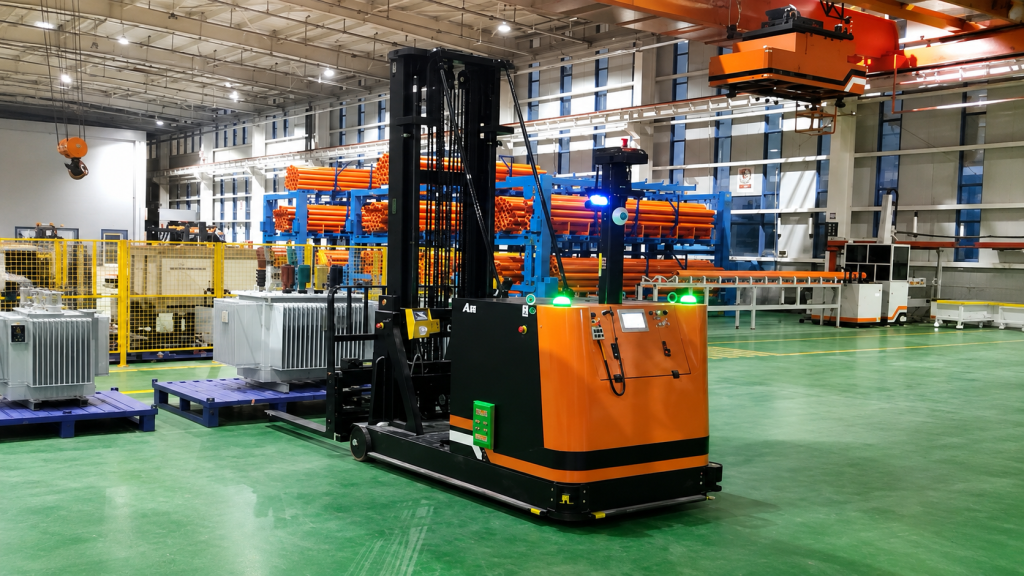
Autonomous Mobile Robots (AMRs) are transforming intralogistics by moving goods safely and efficiently in dynamic environments. At the core of every AMR is its navigation system—enabling the robot to perceive its surroundings, localize itself, plan optimal routes, and avoid obstacles in real‑time. But how does it all work?
1. Perception: Understanding the Environment
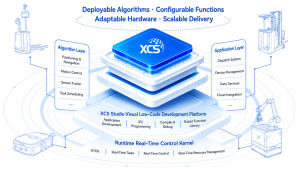
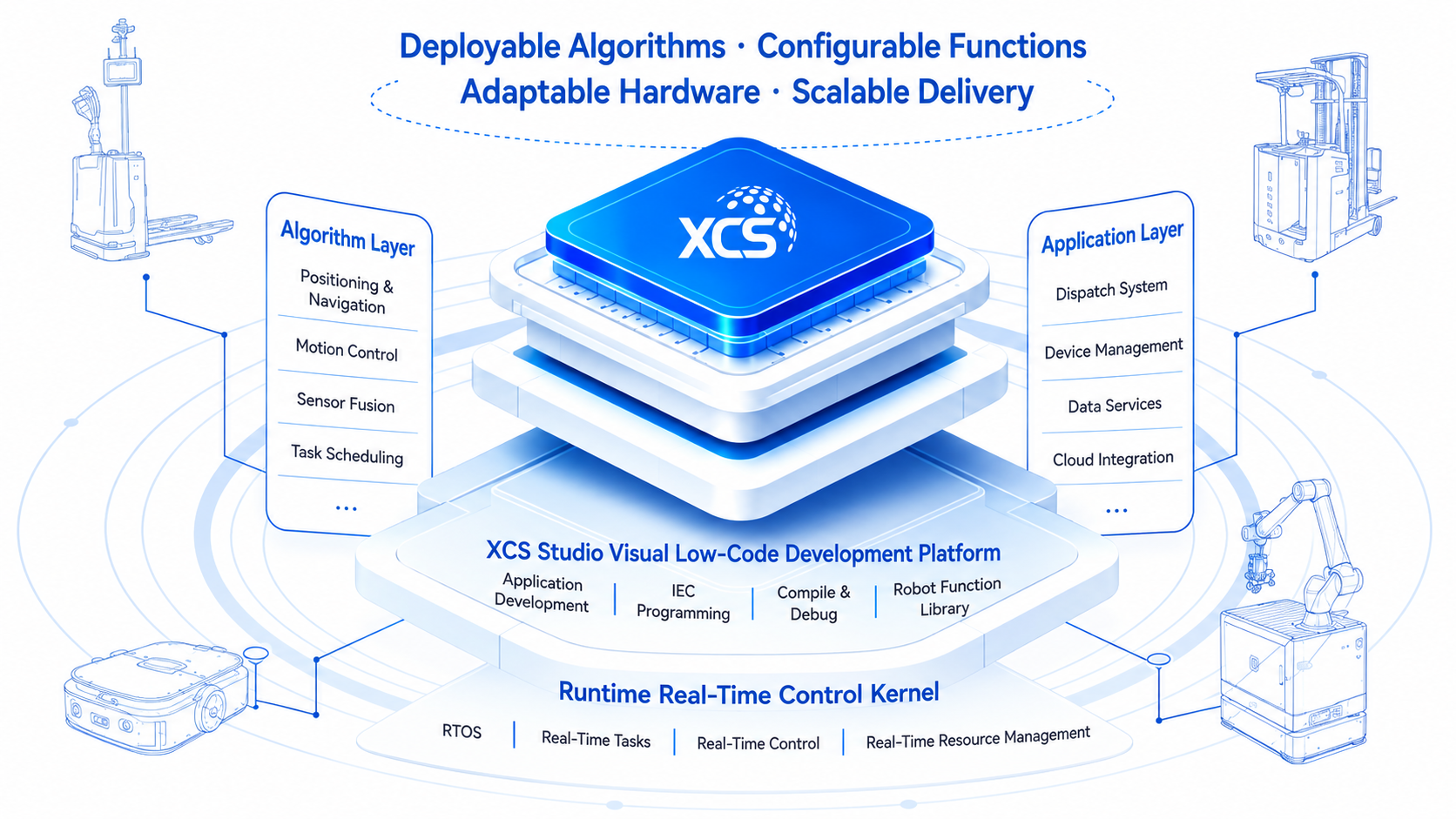
AMRs rely on a combination of sensors —such as LiDAR, cameras, and IMUs—to perceive and understand their surroundings. LiDAR creates precise 2D/3D point clouds, while cameras provide visual context. Sensor fusion algorithms integrate multiple data sources to detect obstacles, identify features, and build a rich understanding of the environment.
“According to industry research, LiDAR‑based perception can improve obstacle detection accuracy by 25‑35% compared to single‑sensor solutions.”
2. Localization: Knowing Where You Are
To navigate accurately, AMRs must know their precise position and orientation. Simultaneous Localization and Mapping (SLAM) algorithms allow the robot to build a map while localizing itself within it—without the need for external infrastructure. This enables AMRs to adapt to changes in real‑time and operate in both structured and dynamic environments.
3. Path Planning: Choosing the Best Route
Once localized, the robot plans its path from point A to point B. Global path planning determines the optimal route, while local path planning handles short‑term adjustments to avoid obstacles and unforeseen changes. Advanced algorithms ensure smooth, efficient, and safe movement.
4. Motion Control: Executing with Precision
Finally, the motion control system translates the planned path into precise actions. By coordinating speed, steering, and acceleration, the AMR ensures stable and reliable navigation, even in complex industrial environments.
An AMR navigation system is a synergy of perception, localization, planning, and control. Together, these technologies empower AMRs to operate autonomously, safely, and efficiently—driving the future of intelligent intralogistics.